
Table of Contents
- Why Baby Crib Selection Matters
- Baby Crib Safety Features
- Choose the Right Baby Crib Material
- Consider Baby Crib Design and Style
- Check Baby Crib Size and Space
- Evaluate Baby Crib Quality
- Baby Crib Buying Checklist
- Final Considerations
How to Choose the Best Baby Crib for a Safe and Stylish Nursery
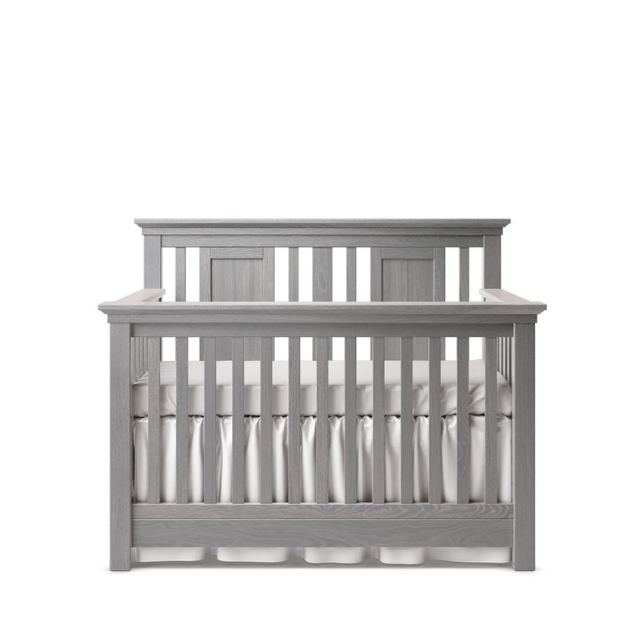
Why Baby Crib Selection Matters
Choosing the right Baby Crib is an important decision when preparing a nursery. A well-designed crib should combine practical safety considerations, durable construction, comfortable proportions, and an attractive appearance that complements the room.
Parents, retailers, interior designers, and hospitality buyers should evaluate more than appearance alone. Material quality, structural stability, spacing, finish, dimensions, and maintenance requirements can all influence the overall suitability of a crib.
Baby Crib Safety Features
Safety should be the first consideration when comparing a Baby Crib. Look for a stable frame, securely assembled components, smooth surfaces, and properly designed rails without accessible sharp edges or loose decorative elements.
Before purchasing, inspect the crib carefully and follow the manufacturer’s assembly and usage instructions. Buyers should also verify that the product complies with applicable safety requirements for their intended market.
- Check that the frame feels stable and firmly constructed.
- Inspect rails, joints, and fasteners for secure assembly.
- Look for smooth, well-finished surfaces without hazardous protrusions.
- Use a properly fitted mattress appropriate for the crib.
- Follow the manufacturer’s safety, assembly, and maintenance instructions.
Choose the Right Baby Crib Material
Material selection affects both the visual character and long-term furniture value of a Baby Crib. Solid wood is a popular choice because it offers a warm, natural appearance and can create a substantial furniture presence.
When evaluating wooden cribs, examine the consistency of the finish, visible wood grain, joinery, and overall construction. A carefully finished surface can also make the furniture easier to maintain as part of a well-organized nursery.
For buyers interested in Indonesian furniture, solid wood craftsmanship can provide an appealing combination of natural character and traditional furniture-making expertise. PT KING FURNITURE offers wooden furniture solutions designed for residential, retail, and project applications.
Consider Baby Crib Design and Style
A Baby Crib can become one of the most noticeable pieces in a nursery, so its design should work with the overall interior concept. Classic frames, vertical slats, natural wood textures, and refined finishes can create a timeless appearance.
For a sophisticated nursery, consider neutral bedding and complementary wooden furniture. A dark wood finish can create a rich traditional atmosphere, while lighter finishes can produce a brighter and more contemporary visual effect.
- Match the crib finish with other nursery furniture.
- Choose a design that remains visually versatile.
- Avoid unnecessary decorative elements that compromise practicality.
- Consider how the crib will look within the complete room layout.
Check Baby Crib Size and Space
Before selecting a Baby Crib, measure the available nursery area carefully. The crib should fit comfortably while leaving enough space for movement, cleaning, furniture placement, and access around the product.
Consider doorways, elevators, stairways, and delivery routes when purchasing larger furniture. These details are particularly important for retailers, interior projects, hotels, and other commercial buyers handling multiple units.
Evaluate Baby Crib Quality
High-quality construction is essential when selecting a Baby Crib for a premium nursery. Examine the frame, rails, joints, finish, and overall workmanship rather than judging the product solely by its photographs.
For B2B buyers, additional considerations may include packaging, order quantities, customization possibilities, production consistency, and export logistics. A reliable furniture supplier should be able to provide clear product information before an order is finalized.
To understand more about wood as a natural material, visit this trusted external source.
Baby Crib Buying Checklist
Use this simple checklist when comparing products. It can help parents and professional buyers focus on practical requirements before making a final selection.
- Safety: Stable construction and properly finished components.
- Material: Suitable wood or other durable furniture material.
- Finish: Smooth, consistent, and appropriate for the nursery environment.
- Design: Attractive styling that complements the interior.
- Dimensions: Suitable for the available room and intended mattress.
- Maintenance: Easy-to-clean surfaces and practical care requirements.
- Supplier: Clear specifications and dependable communication.
Final Considerations
The best Baby Crib balances safety, material quality, functionality, and visual appeal. Taking time to compare these factors can help buyers select furniture that fits both the nursery environment and their long-term expectations.
For a classic and premium furniture concept, a solid wood crib with carefully finished detailing can add warmth and character to the nursery. Buyers looking for Indonesian furniture can explore the collection at PT KING FURNITURE for additional product and sourcing information.
Whether purchasing one crib for a home or sourcing furniture for a larger project, always prioritize verified specifications, proper installation, and responsible use. A thoughtful selection process helps create a nursery that is both visually appealing and appropriately prepared for everyday family life.
