
Table of Contents
- Why Traditional Wooden Baby Cribs Remain Popular
- Timeless Visual Appeal
- Warmth and Natural Character
- Easy Coordination With Classic Furniture
- A Strong Focal Point
- Flexible Styling Across Interior Themes
- Better Longevity in Design Choices
- Strong Appeal for Furniture Buyers
- Design Tips for a Classic Nursery
Why Traditional Wooden Baby Cribs Remain Popular
Wooden Baby Cribs remain a defining choice for classic nursery design because they combine traditional craftsmanship, visual warmth, and a sense of permanence. Their familiar silhouettes can make a nursery feel welcoming while complementing vintage, traditional, cottage, and transitional interiors.
Classic nursery design is often built around details that feel calm rather than trendy. A traditional wooden crib can provide that foundation, especially when its natural grain, shaped rails, decorative headboard, or warm finish is coordinated with soft textiles and understated accessories.
1. Timeless Visual Appeal
One of the biggest strengths of Wooden Baby Cribs is their timeless appearance. Traditional forms are less dependent on short-lived trends, allowing the crib to remain visually compatible as the nursery style evolves.
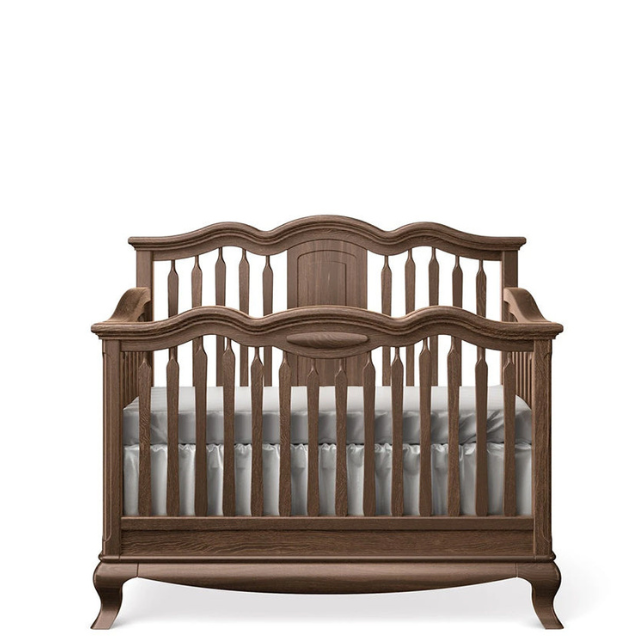
Curved rails, decorative panels, spindle details, and raised headboards can add character while maintaining a balanced silhouette.
2. Warmth and Natural Character
Wood introduces an organic quality that can soften a nursery filled with painted surfaces and textiles. Its texture and grain can contribute to a more comfortable visual atmosphere.
For a classic nursery, warm wood can be paired with cream, ivory, beige, muted gray, or soft pastel accents. This keeps the room sophisticated without making it feel overly formal.
3. Easy Coordination With Classic Furniture
Traditional nursery furniture often looks strongest when individual pieces share a consistent design language. Wooden Baby Cribs can coordinate naturally with dressers, changing tables, rocking chairs, storage chests, and decorative shelving.
Look for repeated details such as curved edges, turned legs, matching finishes, or similar panel shapes. Repetition creates visual continuity and makes the nursery feel thoughtfully designed.
4. A Strong Focal Point
A crib is usually one of the first pieces people notice when entering a nursery. A well-proportioned traditional design can serve as an attractive focal point while leaving enough visual space for other furnishings.
5. Flexible Styling Across Interior Themes
Although traditional in character, Wooden Baby Cribs can work with several decorating styles. The same form can look elegant with vintage accessories, relaxed with cottage-inspired textiles, or polished with contemporary neutral décor.
Color also changes the overall impression. Natural brown finishes create warmth, painted white can feel airy, while gray or muted finishes can provide a softer transitional appearance.
6. Better Longevity in Design Choices
Parents may update wall colors, bedding, artwork, and accessories as preferences change. A classic furniture silhouette makes these updates easier because it does not depend on a highly specific decorative theme.
This flexibility is valuable for businesses sourcing nursery furniture. A versatile classic model can appeal to customers with different tastes and fit multiple merchandising concepts.
7. Strong Appeal for Furniture Buyers
Wooden Baby Cribs can be attractive from a product assortment perspective. Their recognizable category, traditional styling, and compatibility with nursery décor make them suitable for retailers seeking classic furniture options.
When evaluating a crib, consider finish quality, construction details, proportions, styling consistency, and the intended market. For actual infant use, buyers should also verify current safety requirements, assembly instructions, mattress specifications, and applicable regulations.
Design Tips for a Classic Nursery
Start with the crib as the visual anchor. Add a complementary dresser, comfortable seating, practical storage, and textiles that repeat the crib’s finish or decorative details.
Keep accessories purposeful rather than crowded. Soft lighting, framed artwork, natural textures, and a restrained color palette can reinforce traditional character while maintaining a fresh atmosphere.
A well-chosen Wooden Baby Cribs design can also be supported by balanced spacing around the furniture. Leave clear pathways and follow the manufacturer’s placement and safety instructions rather than treating the crib only as a decorative feature.
For general background information about baby furniture, visit this external reference. For more furniture ideas and sourcing options from PT KING FURNITURE, explore our product catalog.
Conclusion
The enduring popularity of Wooden Baby Cribs comes from their ability to combine familiar craftsmanship with flexible interior styling. Traditional details can make a nursery feel warm, established, and visually memorable without limiting future decorating choices.
For homeowners, designers, and furniture retailers, the classic wooden crib remains a versatile centerpiece. With thoughtful proportions, coordinated finishes, and appropriate safety considerations, it can support a nursery concept that feels welcoming and enduring.
